Kitchen & dining
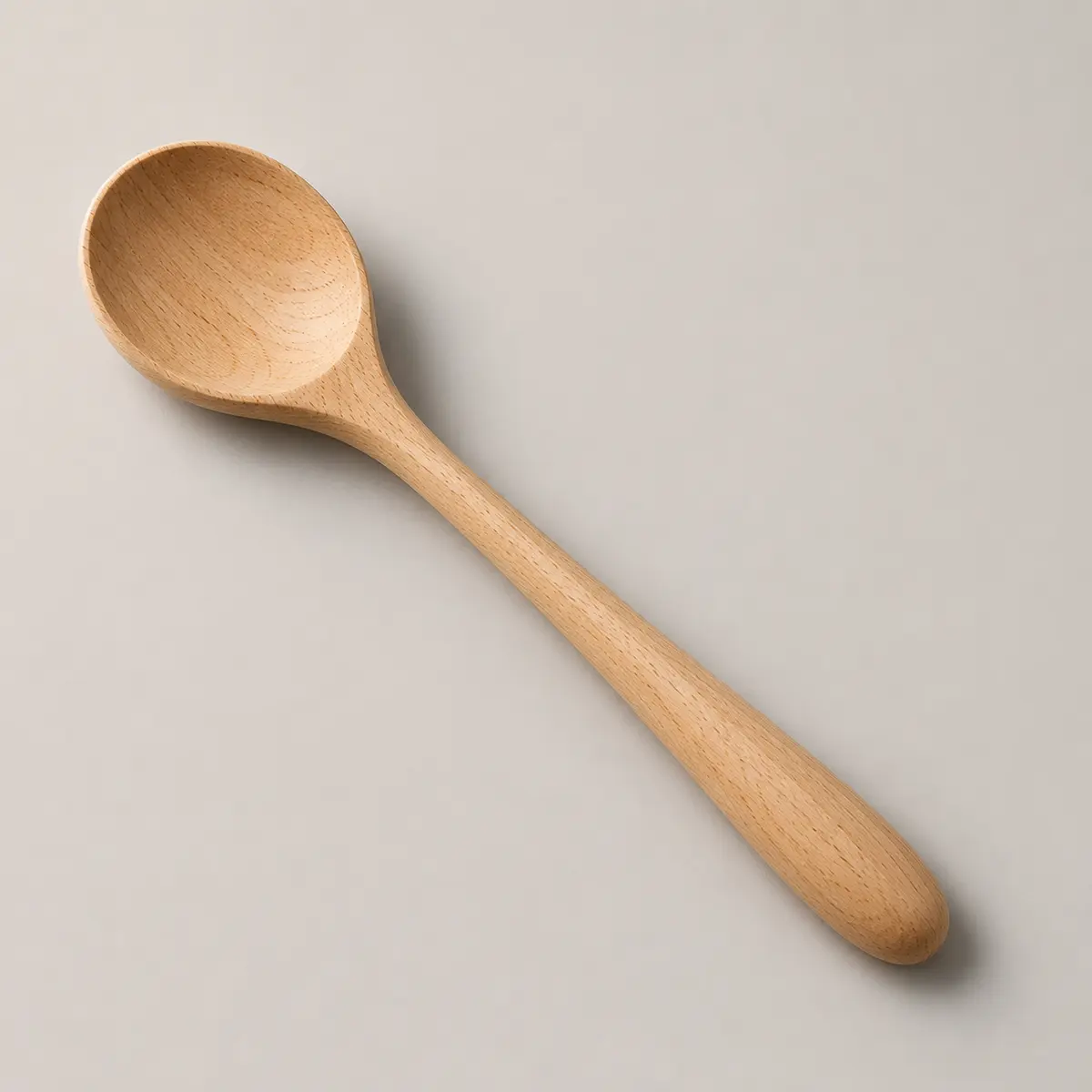
Wooden cooking spoon
AED 40
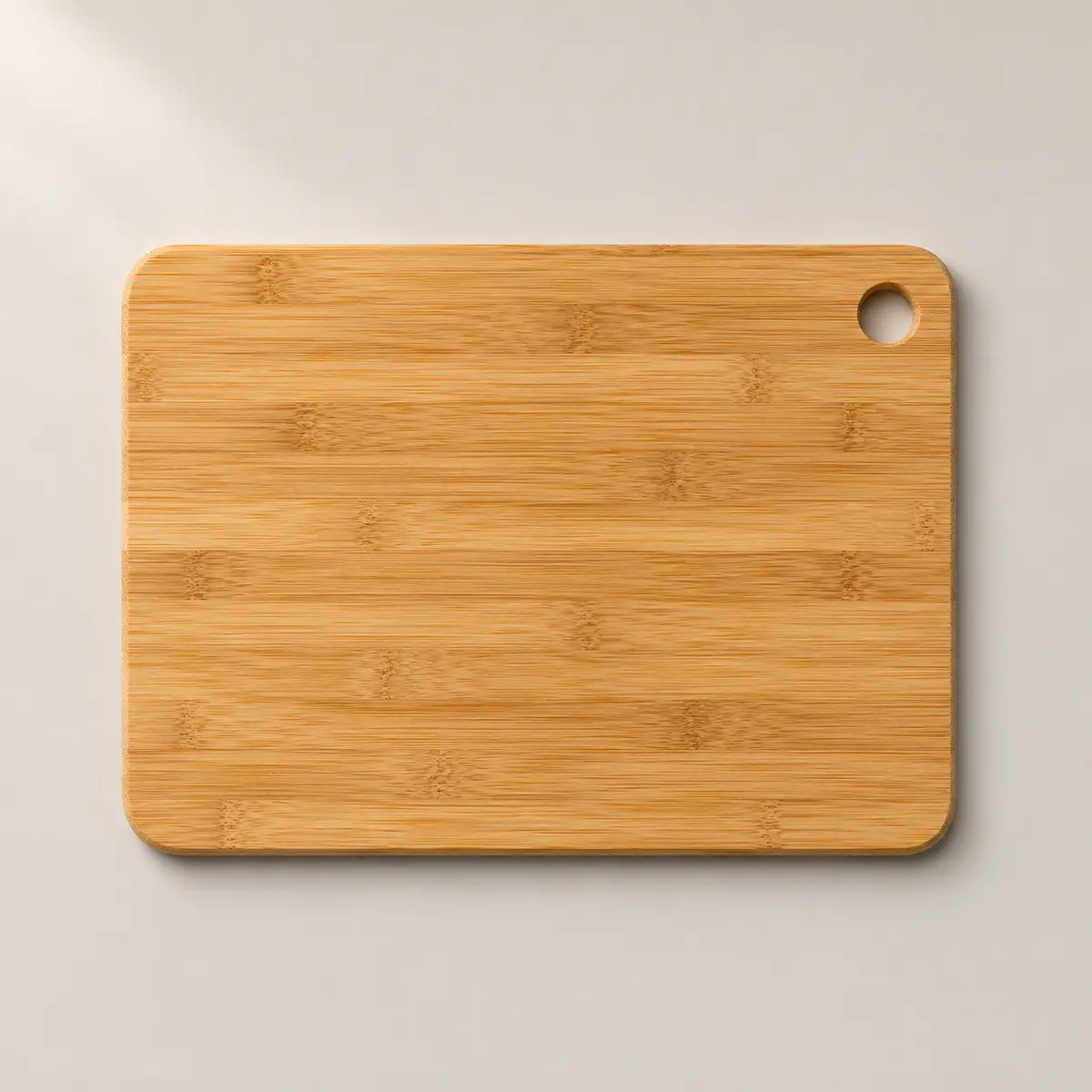
Pick a meal you repeat each week. Imagine taking ingredients out, chopping, stirring, serving and washing up. Which object do you have to borrow from another task halfway through? If the chopping board doubles as your only serving board, two smaller pieces may be easier to handle than one oversized board. Draw the proposed dimensions beside your sink. Leave room for a bowl of trimmings and for the handle of the pan you reach for most often. If the board has a handle, draw the handle separately. It can make the board easier to lift while adding little usable space for chopping vegetables.
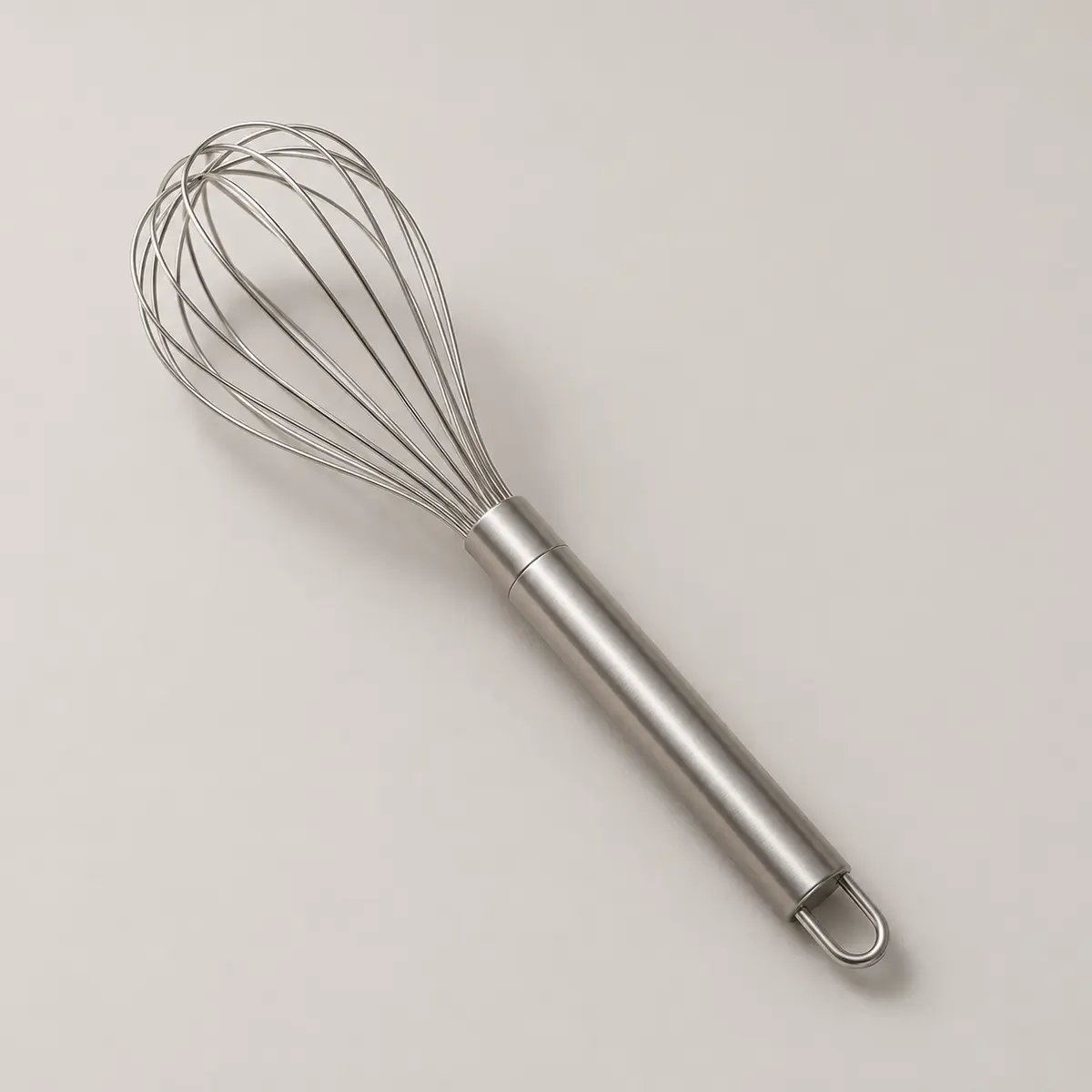
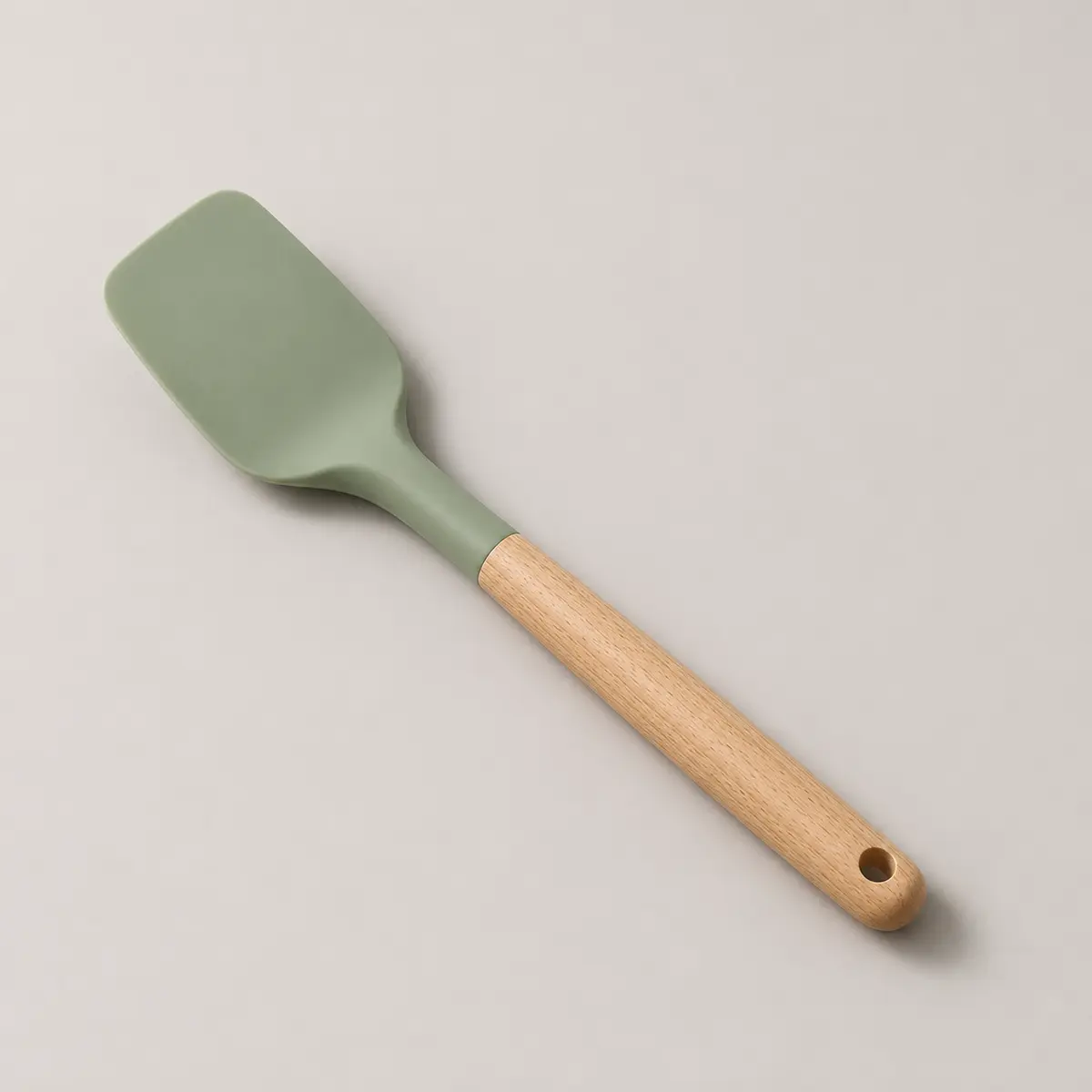
A board with a juice groove collects liquid around its edge and leaves a smaller flat area for chopping. A plain edge lets you slide chopped ingredients into a bowl. Compare a spatula’s width with the base of your smallest pan and the opening of a jar you often scrape. With a whisk, the widest part of the wire head and the depth of the bowl determine whether you can reach into the corners. Read any temperature and surface-use guidance for the particular utensil before pairing it with cookware.
For water served with a family meal, fill a measuring jug with the amount you normally pour into one glass. Multiply that amount by your number of guests and compare it with the stated capacity of a carafe. Leave some pouring space at the top. A carafe that fits the table also needs a place between meals. Check the height of the refrigerator shelf if you chill water and the mouth width if you use a bottle brush. Cup handles and cutlery can take up more table space than the plate outline suggests.
For example, four glasses filled with 180 ml each need 720 ml for one round. If the carafe is described as holding 750 ml to the brim, only 30 ml remains above the water. Ask whether you can carry it comfortably from the kitchen at that level. One more refill with a smaller, easy-to-grip jug may suit your table better than a full vessel you struggle to pour.
A set of six bowls is practical only if the stack fits under the shelf above. Compare the height of nested bowls where the listing gives it. For individual pieces, check whether the handle or lip will catch an adjacent item. Look for care directions for each material, especially where a piece has a wooden handle or a decorative finish. Picture the busiest point after dinner. If the serving tray and cutting board both need the only drying space, stagger the sizes or choose a piece you can stand securely in the existing rack.