Travel & luggage
Canvas tote
AED 60
List the spaces your luggage has to fit, from the boot of the car to the cupboard where it will live after the trip. If you are flying, check the current allowance for the carrier, cabin and fare on each leg of your booking. Use the limit that applies to that journey. Compare it with the case’s full external dimensions, including wheels, fixed handles and protruding pockets. A case with an expansion zip can occupy a different depth when expanded, so record both measurements if you expect to use that feature.
A case that opens into two facing halves lets you separate clothes from shoes and see each side. It also needs a surface wide enough for both halves when laid flat. A bag with a single deep compartment and a top opening may be easier to use on a narrow luggage rack. For a road trip with several overnight stops, decide what needs to come out on the first evening. An accessible compartment for a change of clothes can spare you a full repack at each stop.
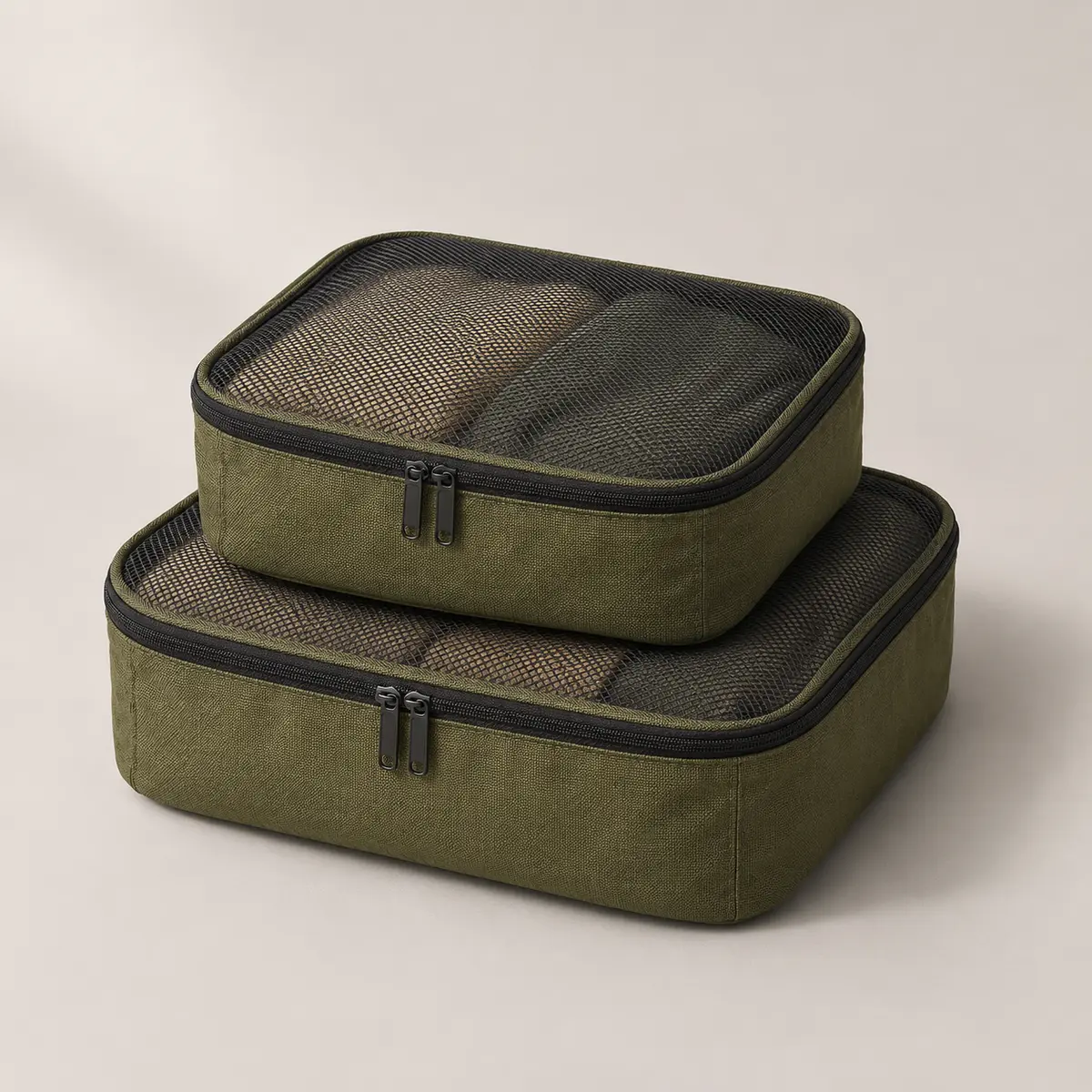
Fold the shirts or abayas you expect to take and measure the stack. Compare it with the usable dimensions of a packing cube and the flat space between the rails inside your case. Two cubes that fit the stated outside width may crowd the rounded corners or the wheel housings. Try laying rectangles of paper inside the open case to plan the arrangement. A compression zip can reduce the space occupied by soft clothes, while the weight of those clothes still counts towards your baggage allowance.
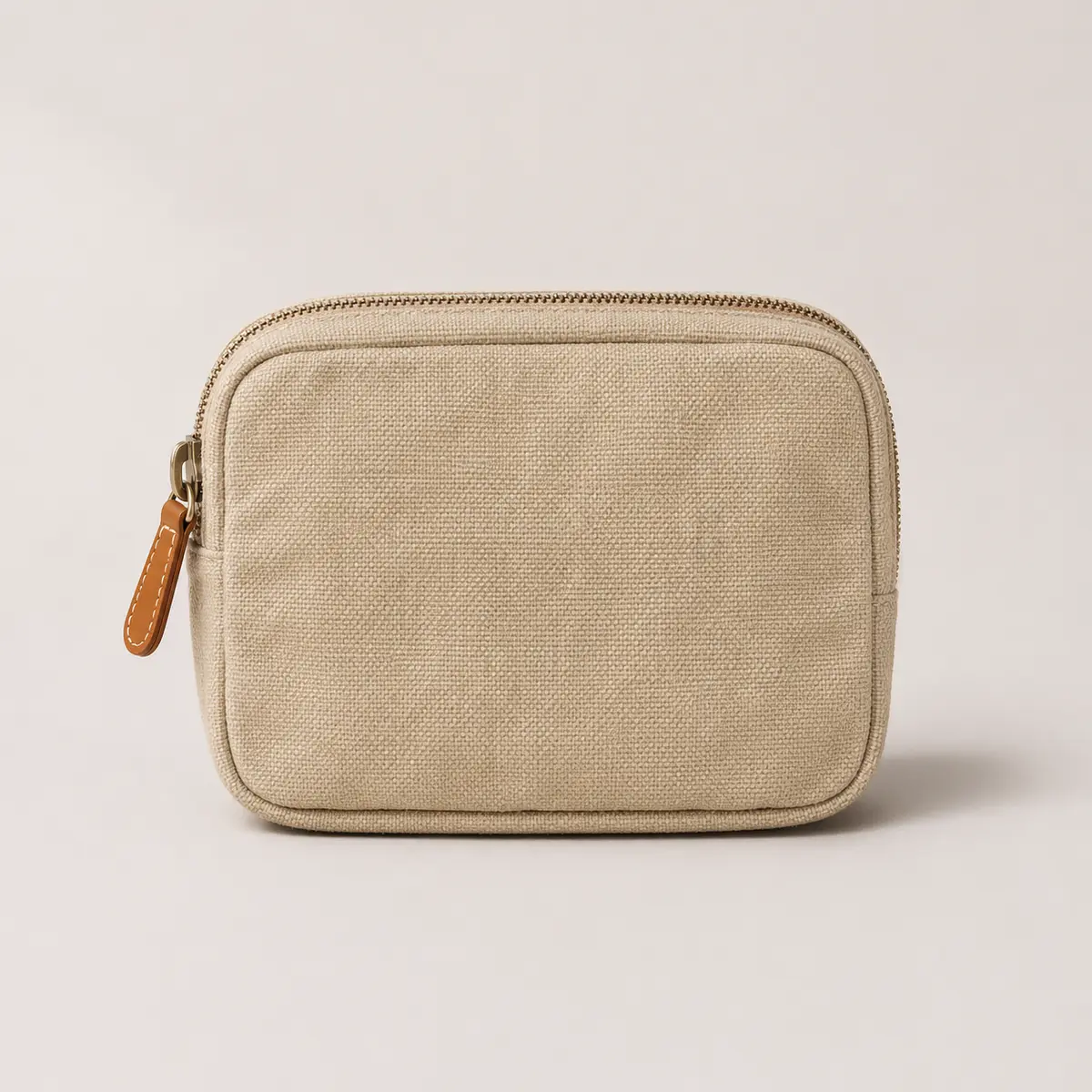
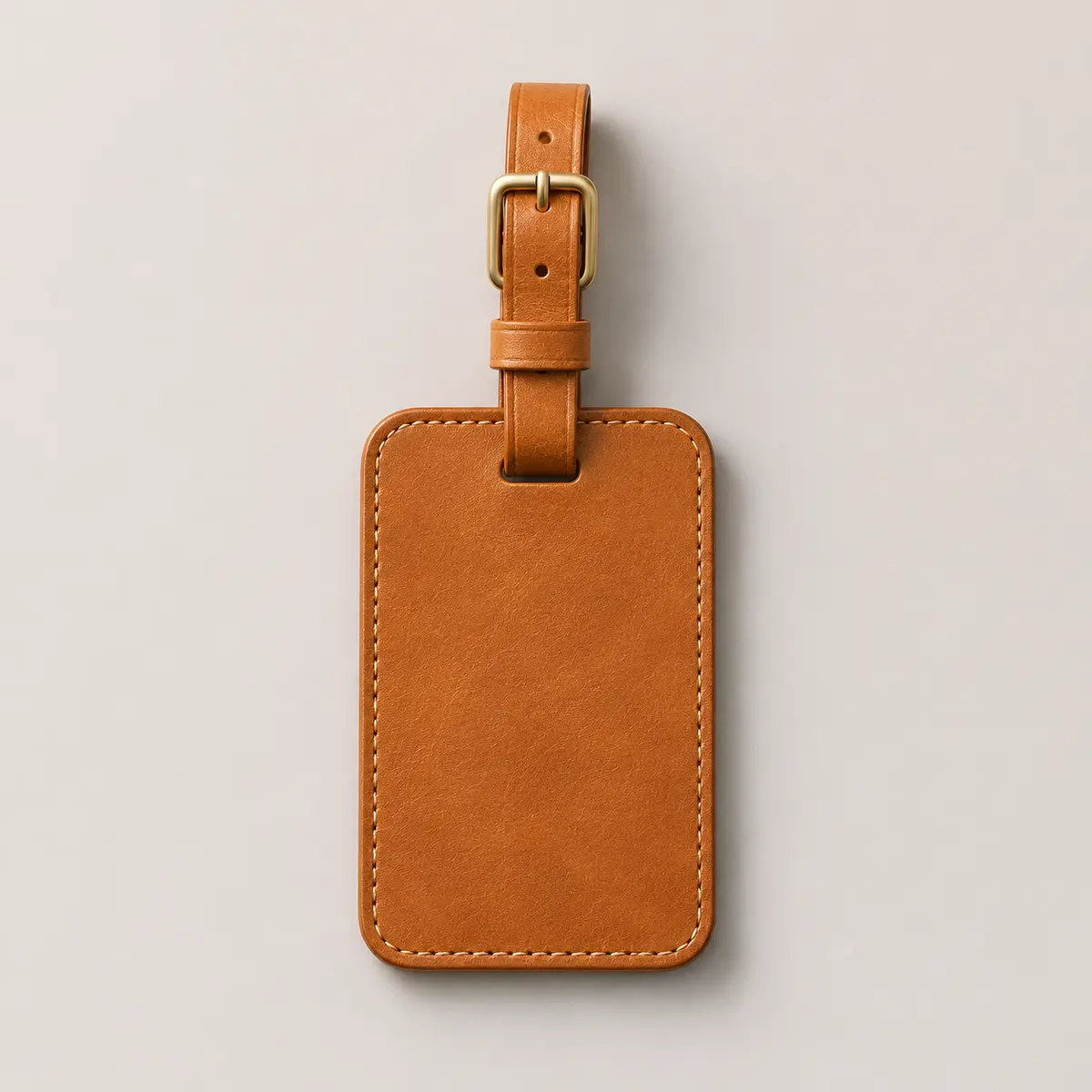
Imagine arriving late and opening the bag to find a charger, sleepwear and the outfit for the next morning. Choose where those three things go before assigning space to the rest. If different family members share one case, a distinct pouch or colour for each person can make that first evening easier. Check that a luggage tag fastens to a suitable point and that the information you choose to display can be covered if desired. Leave space for the items you expect to bring home as well as the ones you take.
Say you are working to a personal packing target of 10 kg for one bag. An empty case weighing 3.2 kg leaves 6.8 kg for clothes, shoes and everything else. A soft bag weighing 1.8 kg leaves 8.2 kg against the same target. That 1.4 kg difference is useful only if you can carry the soft bag the distances your journey involves. Put your usual packed items on a scale and then imagine the walk from the taxi to your accommodation. Use the published allowance on your own booking for the final calculation. The figures here simply show how to compare empty bags.