Home & living
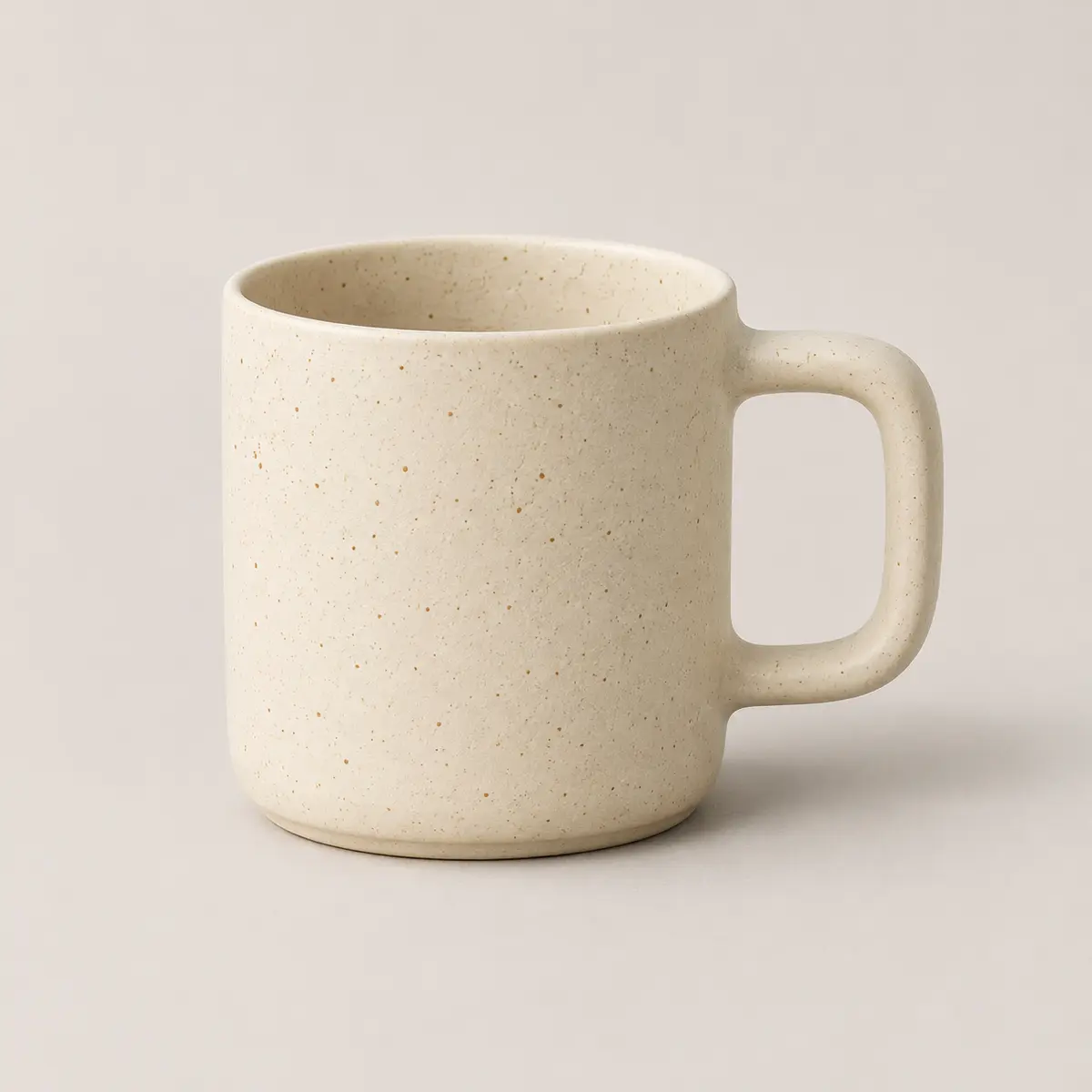
Stoneware mug
AED 55
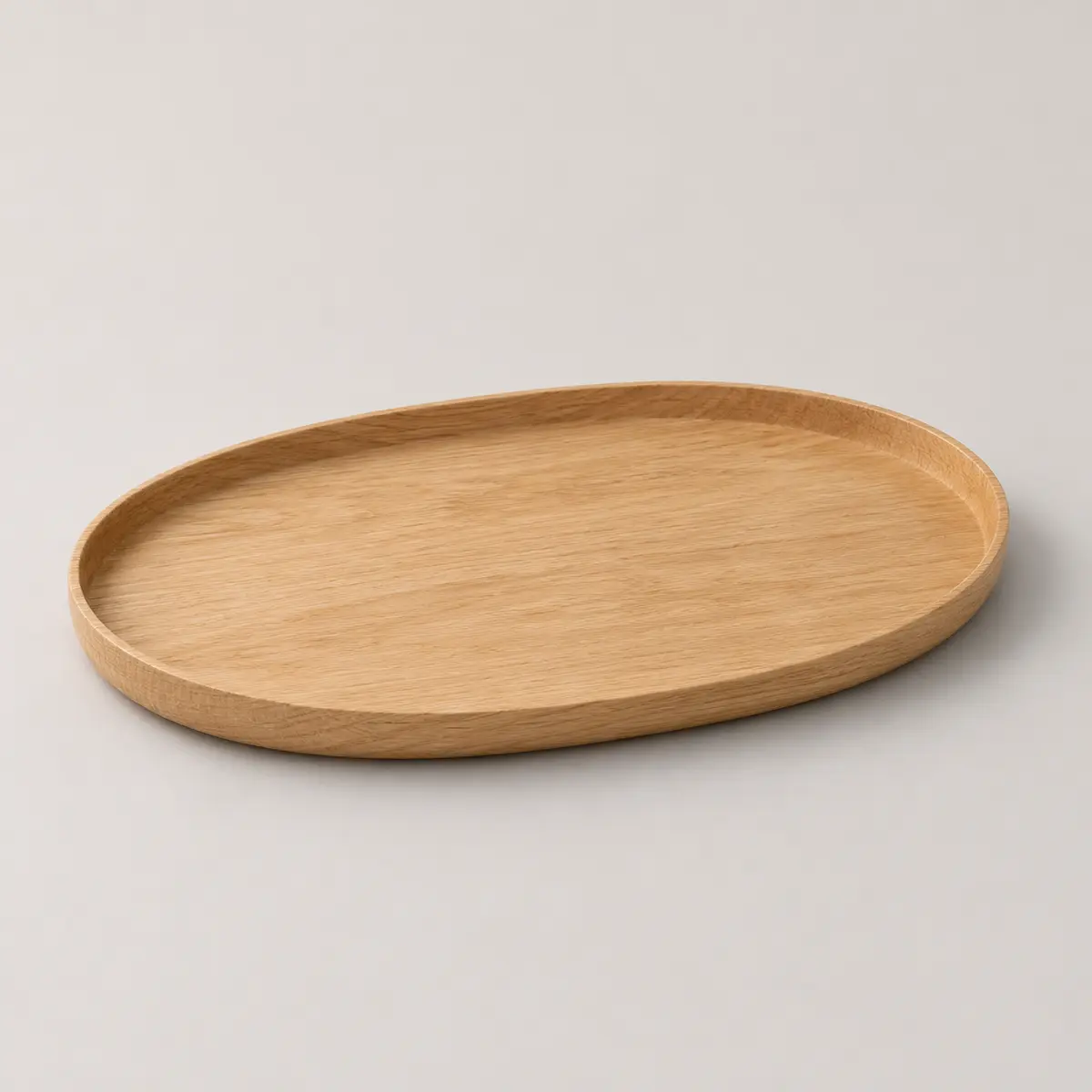
On an entrance table, gather the keys, sunglasses, mail and small change that really land there. Arrange them on a sheet of paper, then draw around the group. This little outline tells you the usable area a catchall needs. Compare it with the inside of a tray. Thick rims, curved corners and handles can take a surprising amount of space inside the stated footprint. Leave enough of the tabletop clear for the next person to set down a bag.
For a tray you plan to carry to guests, set out your usual cups with their handles turned as you would carry them. Include the water glasses or small bowl that normally comes along. Try the arrangement on a piece of cardboard the size of the tray, allowing for the raised rim. Lift the cardboard only when empty to see where your hands would go. A tall rim helps gather small items on a table. A lower edge leaves more room to reach a cup from the side.
Imagine a rectangular tray with an inside width of 25 cm and a set of saucers measuring 12 cm across. Two saucers side by side already use 24 cm. Place your cups on the saucers and turn both handles outward. Even if the circles fit on paper, a handle may project beyond the rim. Trying your usual serving arrangement can reveal whether to choose a wider tray or make two lighter trips.
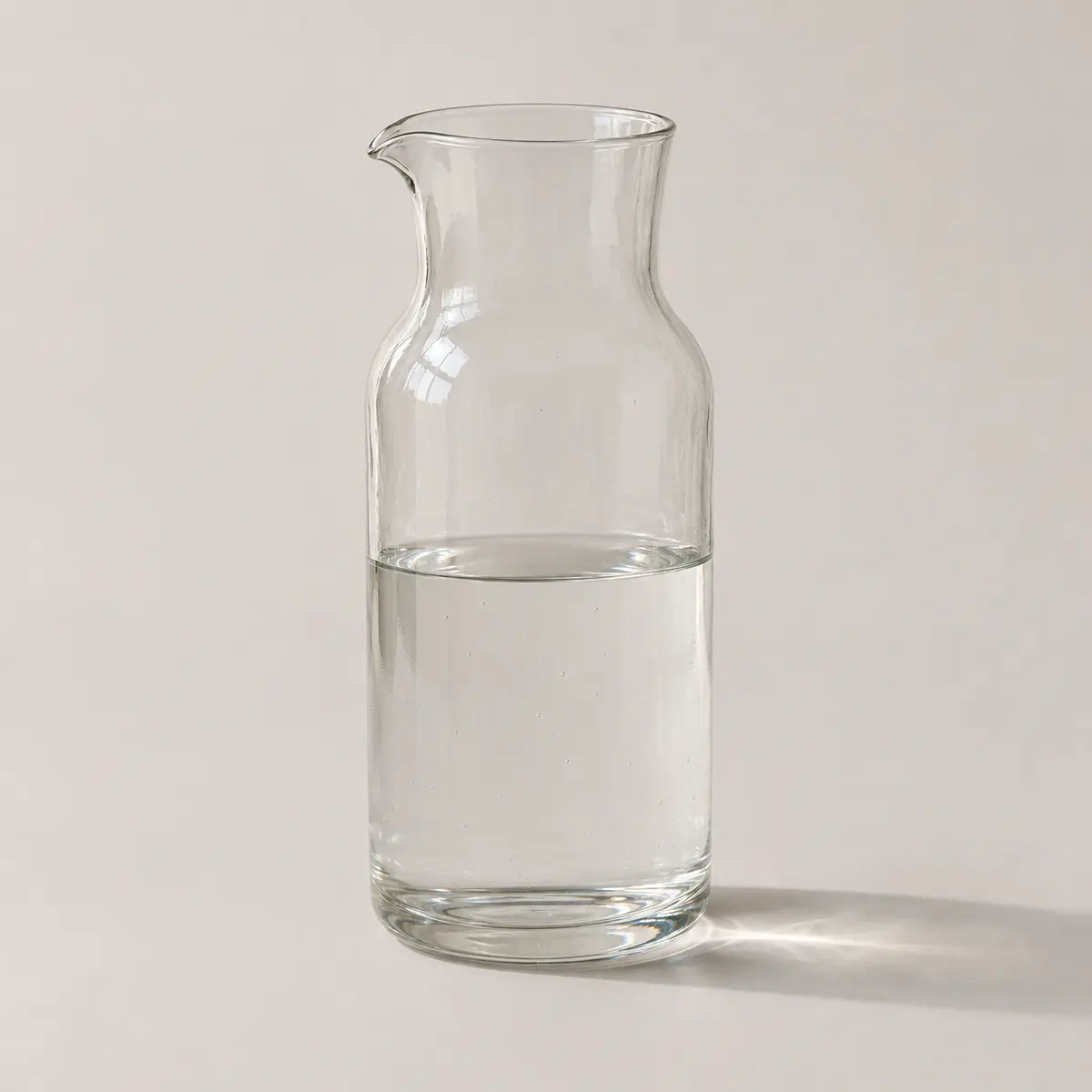
A tall vase on a console is seen against the wall. The same vase on a dining table may sit between two people trying to talk. Fold a sheet of paper to the proposed height and look at it from your normal seat. For a group of small objects, outline the bases and check how much space remains for dusting around them. An open basket makes daily objects easy to lift out. A closed box can keep a quieter-looking shelf, provided there is clearance to lift the lid. If the piece will stand in front of a lamp, try the paper silhouette there after dark. A narrow ornament may cast a much wider shadow across the seat where someone reads.
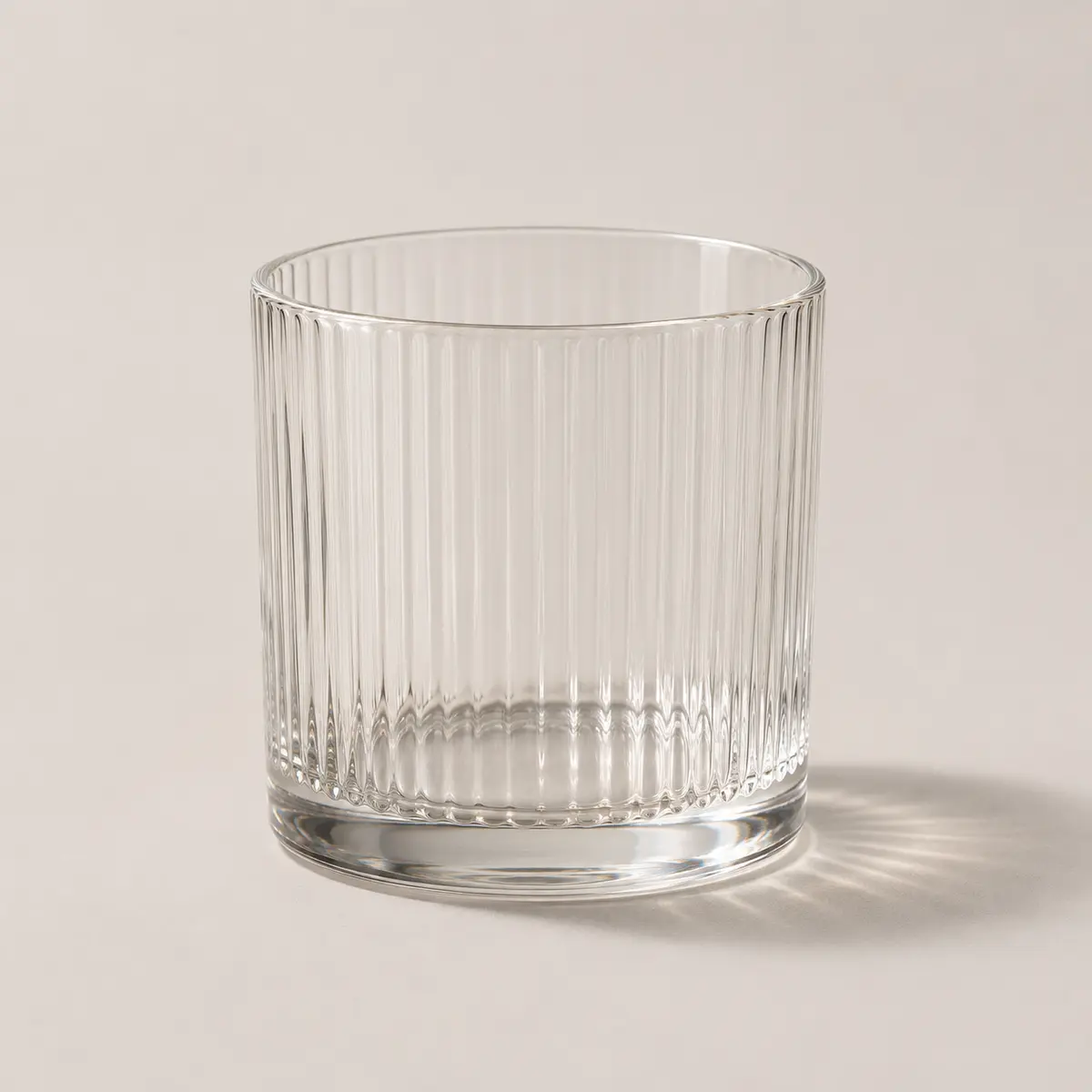
A living room used for evening tea may see damp glass bases, drips or crumbs. Look up the care instructions for the tray, its finish and the surface underneath. If drinks go on coasters, measure their outside diameter as part of the arrangement. For a shelf beside a bright window, compare colour samples or existing household items in daylight and again under the lamp you use at night. A purchase is easier to judge when you can name its place, its contents and how you will clean it.